How High-Powered Data Analytics Has Been Democratized for Companies of All Shapes & Sizes
We live in an era where high-powered data analytics has been democratized for all. It is truly the Golden Age of Data, and there is no excuse anymore for your company sitting on the sidelines. Leveraging data for profit-driving insights is a competitive advantage. You either hop on the bandwagon or you get left behind.
The landscape really has changed with the blink of an eye, as it wasn’t that long ago that high-powered data analytics was reserved exclusively for large companies or companies with big budgets. Additionally, data analytics used to belong only to specialized teams with deep technical skills hiding behind closed doors. Essentially, there were data gatekeepers, creating siloes and bottlenecking information. That’s changed dramatically.
The democratization of data analytics now puts powerful analytical tools in the hands of employees at every level. “Self-Service” analytics is real, and this shift comes from big drops in storage costs and the rise of intuitive visualization platforms (among other things).
For example, you don’t need a data science degree to pull meaningful insights from your company’s data anymore. Tools like Tableau, Power BI, and Google Data Studio have turned complex analysis into visual, interactive experiences that just about anyone can use.
Organizations using democratized analytics approaches have seen a 40% reduction in the time it takes to generate actionable insights. That’s not a minor improvement—it’s a real shift in how work gets done.
This change isn’t just about better software. Affordable cloud storage, simpler data management, and user-friendly interfaces now let people across organizations make data-driven decisions (a “data-driven culture”).
Your ability to access, analyze, and act on data directly affects how quickly your company can respond to market changes or new competitors. That’s a lot of power, spread more widely than ever.
Affordable Data Storage and Enhanced Accessibility
Cloud-based storage has changed the game, dropping costs from hundreds of thousands to just a few thousand dollars a year for smaller organizations. Software-defined architectures and distributed systems now bring enterprise-grade capabilities without a huge upfront investment in hardware.
Lowered Barriers Through Cloud Solutions
Cloud storage platforms have wiped out the old need for big hardware purchases. You can start small and scale storage as you need it, paying only for what you use instead of over-provisioning.
Major cloud providers offer object storage for as little as $0.023 per gigabyte per month on standard tiers. That means even a small business can store terabytes of data for just hundreds of dollars a month, not thousands.
The switch from capital expenditure to operational expenditure changes how you plan and budget for data infrastructure. It’s a different mindset.
Key cost advantages include:
- No hardware maintenance or replacement costs
- Automatic redundancy and backup included in base pricing
- Reduced IT staffing requirements for storage management
- Pay-as-you-grow pricing that matches business expansion
Essentially, you get access to the same infrastructure big enterprises use. Now, your ability to analyze data isn’t limited by storage costs—it’s about what you do with the data.
Scalability and Cost Reduction in Data Warehousing
Modern data warehouses spin up in under a minute, compared to the weeks or months traditional systems needed. Software-defined storage lets you shift resources in real-time, often getting 65% better storage utilization and cutting operational costs by nearly 38%.
Your data warehouse can scale compute and storage resources up or down automatically, matching query demand. When things get busy, you get more power; when it’s quiet, you save money. Truly amazing stuff.
Distributed storage handles over 10,000 operations per second and keeps read latencies as low as 15 milliseconds. That kind of performance supports heavy-duty analytics without pricey specialty hardware.
Scalability features you should consider:
| Feature | Benefit | Impact |
|---|---|---|
| Elastic compute | Match resources to workload | 40-60% cost reduction |
| Automated tiering | Move cold data to cheaper storage | 50-70% storage savings |
| Query optimization | Reduce processing time | 3-5x faster analytics |
Data Governance and Security for Diverse Users
Accessible storage now comes with advanced security controls that used to require dedicated teams. You can set up encryption, access controls, and compliance monitoring with a few clicks instead of custom code.
AI-driven access control flags unusual data access, catching potential security risks automatically. Companies using automated security protocols have seen breach-related costs drop by 42% compared to manual security management.
Role-based access controls such as RLS let you give each team member the right permissions. Your marketing analyst can see customer data while your finance team checks revenue, all in one secure environment.
Essential governance capabilities include:
- Automated compliance reporting for GDPR, HIPAA, and other regulations
- Version control and audit trails for all data modifications
- Real-time threat detection with immediate alerting
- Granular permissions at dataset and field levels
HIPAA-compliant storage shows how smart compliance monitoring cuts regulatory risk for healthcare and other regulated industries. You keep security standards high without hiring specialized staff or building separate security systems.
Evolution of Data Visualization Tools
Some of the biggest changes have come from data visualization tools. Data visualization tools have evolved from technical, hard-to-use software to accessible platforms for everyone. User-friendly interfaces, easy integrations, and mobile access now let people in all industries do sophisticated analysis.
Growth of Intuitive Dashboards and Interfaces
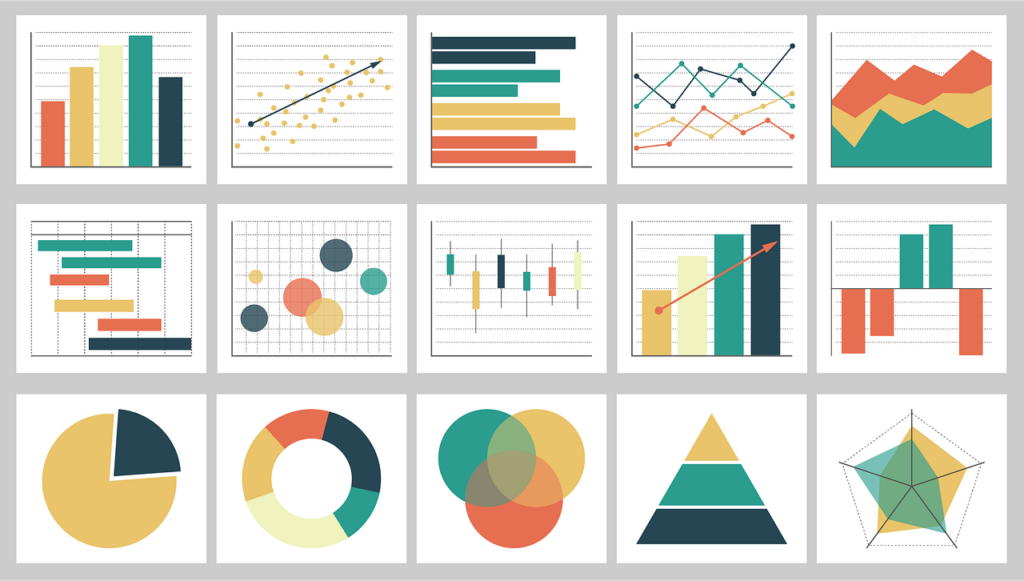
Modern visualization platforms focus on ease of use, with drag-and-drop features and templates (no code or low code). Tableau and Power BI, for example let you build interactive dashboards without writing a single line of code.
Interfaces have shifted from command-line to visual workflows. You can connect data sources in drag-and-drop interfaces, apply filters, and build charts just by pointing and clicking.
How high powered data analytics has been democratized for all
This means marketing, sales, and executives can build their own reports instead of waiting for IT. That’s a REALLY big deal for agility.
Key interface improvements include:
- Visual data modeling that shows relationships between datasets
- One-click chart generation with automatic formatting
- Customizable color schemes and branding options
- Undo/redo functionality for safe experimentation
The learning curve is way shorter now. Instead of weeks of training, you can build your first dashboard within hours.
Integration with Business Intelligence Platforms
Visualization tools now work as part of larger business intelligence ecosystems. Power BI has hundreds of pre-built connectors, while Google Data Studio plugs into Analytics, Sheets, and Ads.
These integrations mean you don’t have to move data around manually. You can pull info from CRMs, databases, spreadsheets, and cloud services into one place, with data updating as the sources change.
Cross-platform compatibility is standard. Your dashboards work across operating systems and browsers, no extra versions needed. Many tools offer APIs, so you can embed dashboards in your company’s apps or customer portals.
Mobile and Real-Time Visualization Capabilities
Mobile-responsive dashboards are now a must, especially with more people working remotely. You can access your data on phones and tablets, with interfaces that adjust to smaller screens but keep all the features.
Real-time streaming is a big leap forward. Dashboards update as new data comes in, no need for manual refreshes or waiting for scheduled updates.
This instant feedback is crucial for monitoring live operations or catching trends as they happen. Mobile apps from major platforms give you full interactivity—filter data, drill down, and share insights straight from your device.
Push notifications let you know when metrics hit certain thresholds, so you can act fast no matter where you are.
Ease of Use in Modern Data Analytics Software
Modern analytics platforms have broken down technical barriers with intuitive interfaces, automation, and natural language features. Companies can now roll out analytics tools across their workforce without massive training or hiring data science teams.
No-Code and Low-Code Analytical Platforms
No-code and low-code tools let you build data pipelines, create visualizations, and run analyses visually—just drag and drop. You can connect data sources, transform datasets, and make reports without touching SQL or code.
These platforms come with templates and components you can tweak for your business. You set up workflows with visual builders, skipping the technical headaches but keeping the analytical punch.
If you need custom logic, low-code options let you add it with simple scripting or formulas. Business users can handle routine tasks, while analysts focus on deeper modeling.
The platforms handle data type conversions, schema mapping, and errors behind the scenes. You spend less time fixing tech issues and more time finding insights.
Automated Insights and Predictive Analytics
AI now finds patterns, anomalies, and trends in your data automatically. The software flags big changes, spots outliers, and suggests correlations you might miss.
Natural language lets you ask questions in plain English and get answers with visuals. You can type, “show me sales trends by region for the last quarter,” instead of building a report from scratch (tools like SkAI are changing the game).
Predictive models run on your data to forecast what’s next, using history to score different scenarios and highlight what really moves your KPIs.
Machine learning algorithms keep improving as they see more of your data. Over time, you get sharper predictions and better automated insights.
Collaboration Features for Cross-Functional Teams
Modern analytics platforms come with built-in collaboration tools, almost like social media or shared docs. You can comment on dashboards, tag teammates, and keep track of conversations about specific data points.
Version control saves every change, letting you roll back reports or analyses if needed. Multiple people can work on the same dashboard at once, without stepping on each other’s toes.
Role-based access ensures people only see what’s relevant to them. You keep compliance tight but still let teams across the company use analytics.
Automated reports go out to stakeholders on a schedule. You can set alerts to ping the right people when metrics cross certain thresholds, so you don’t miss anything important.
Impact Across Industries and Future Outlook
The democratization of data analytics has seriously changed how organizations work. AI-powered tools and accessible platforms now enable faster decisions and more innovation.
Data-driven capabilities are now standard in most industries and new technologies keeps pushing the boundaries of what analytics can do.
Cross-Industry Applications and Transformation
For example, healthcare groups use affordable analytics to process patient data in real time, improving diagnoses and outcomes, while financial institutions now detect fraud and assess risk with democratized tools, running predictive models on millions of transactions—something only big-budget enterprises could do before.
Retailers have changed customer experiences with accessible analytics. Major players use AI-driven tools for personalized recommendations and inventory optimization.
Manufacturers benefit from data marketplaces that let them share and pool operational data. This boosts supply chain optimization and predictive maintenance. The data economy encourages collaboration, so companies can build proprietary data products without needing entire infrastructures.
AI and Agentic Analytics Driving Innovation
Automated machine learning platforms have taken the grunt work out of feature engineering. AutoML tools let people without coding backgrounds build predictive models, creating a new group of “citizen data scientists.”
AI-powered analytics now automate data prep and anomaly detection. Tasks that once took weeks now finish in seconds. Natural language processing lets users explore data by typing questions, removing technical barriers.
Generative AI models are making analytics more transparent and interactive. Organizations process huge datasets from IoT, social media, and e-commerce, pulling out insights that fuel strategy. Real-time decisioning is now the norm, so companies can react instantly—not just after the fact.
Democratization Trends Shaping the Next Decade
Data infrastructure keeps getting better and that means costs will continue to drop as more people tap in. Cloud storage and visualization platforms now use pay-as-you-go models, so there’s no need for a big upfront investment.
Small businesses can finally use the same analytical tools that only Fortune 500 companies could afford five years ago. It’s honestly wild how fast that’s changed.
Data science is no longer just for specialists. Teams are starting to treat it as a shared responsibility, which makes organizations much more agile.
Automated insights are everywhere now. Platforms push out actionable intelligence to users, even if they’ve never touched code or analytics before.
This shift lets more people join in on data-driven decisions. It sparks fresh ideas and gives innovation a real boost.
Data marketplaces keep growing, and companies can now exchange or supplement their data sets. That opens up chances to build competitive edges with unique data combos.
I wish I could tell you exactly where we will be in the next 5 years but given the changes of the last 5 years, it is going to be amazing!.