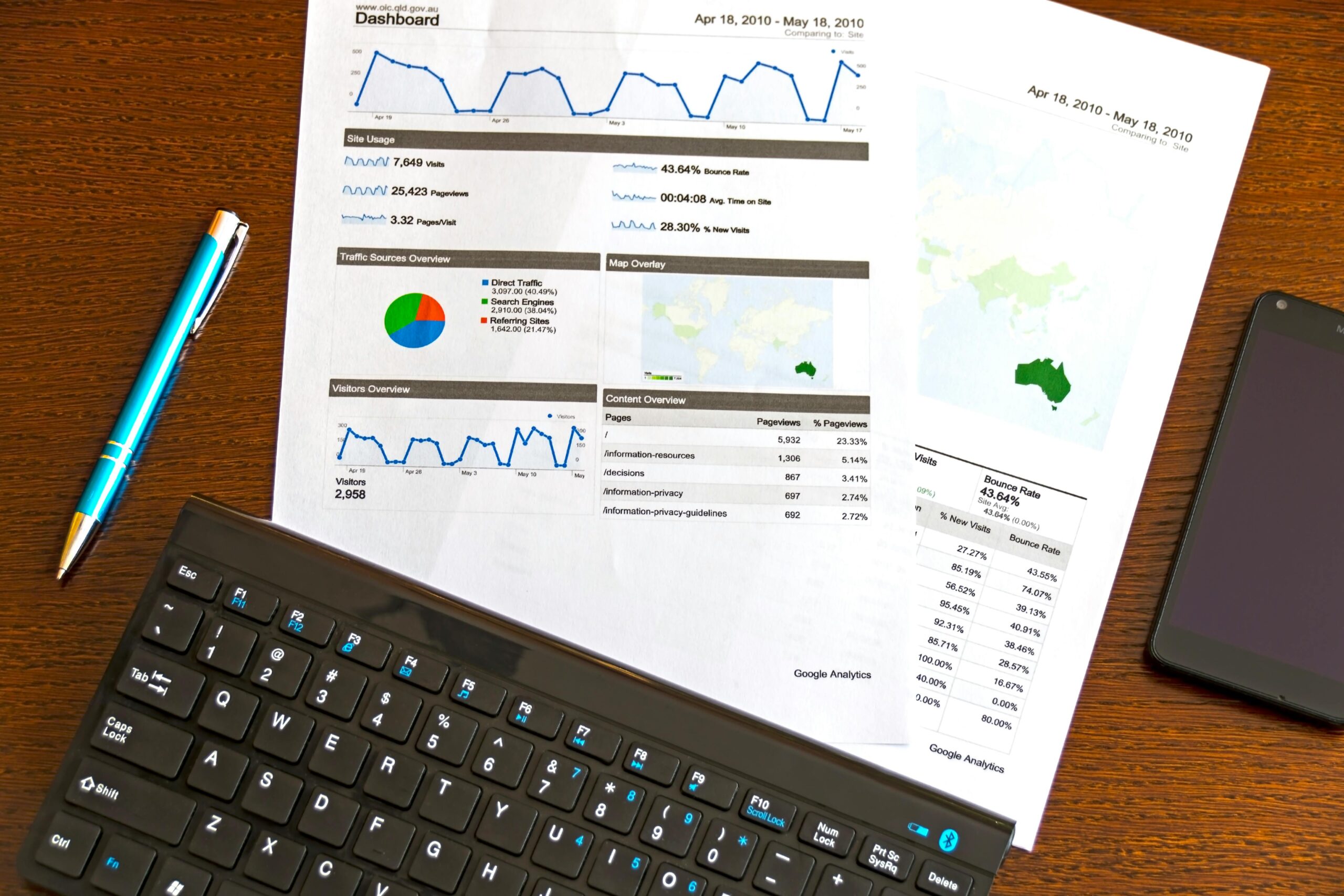
Many business leaders review company performance through high-level reports and consolidated financial data. While this approach provides a broad picture of organizational health, it can also conceal significant issues within individual departments, locations, product lines, or divisions.
Chris Pumo of Skyline Analytics explains that one of the most effective ways to identify underperforming business units is to stop relying solely on aggregated data. Company-wide averages can mask weaknesses, making it difficult to pinpoint where performance problems are occurring. A business may appear healthy overall while certain units consistently underperform and reduce profitability.
The first step is segmenting the data. Rather than viewing the organization as a single entity, leaders should break operations into meaningful business units. These segments may include locations, departments, service lines, customer groups, or product categories. By analyzing each segment independently, leaders gain a clearer understanding of where resources are producing results and where improvements are needed.
Once the data is segmented, each unit should be treated like its own business. This means evaluating performance based on metrics that are specific to that segment rather than relying on company-wide averages. When managers can see how their individual unit performs, accountability increases and opportunities for improvement become more apparent.
Another critical component is providing each business unit with its own budget. Without a dedicated budget, it becomes difficult to measure whether a unit is meeting expectations. A budget creates clear performance targets and establishes benchmarks that allow leaders to compare planned results against actual outcomes.
Visibility is equally important. Business units need access to their own financial actuals and real-time performance data. Waiting until month-end or quarter-end reports may delay corrective action and allow problems to grow. Real-time feedback enables managers to identify trends quickly, respond to challenges, and make informed decisions that improve performance.
When leaders can compare budgeted expectations against actual results, they gain valuable insight into operational efficiency, revenue generation, and cost management. This visibility creates opportunities for continuous optimization and helps organizations allocate resources more effectively.
How Expert Business Analytics Support Optimization
An experienced business analytics team helps organizations build reporting structures that reveal what is happening beneath the surface. By creating meaningful business segments, establishing performance benchmarks, and delivering actionable insights, companies can make data-driven decisions with greater confidence.
Analytics professionals also help leaders identify hidden inefficiencies, improve accountability, and develop strategies that strengthen individual business units. When each segment performs at its highest potential, the entire organization benefits.
Take Action Today: Improve Visibility Across Your Organization
If your company relies primarily on high-level reporting, you may be missing critical opportunities for improvement. Identifying underperforming business units starts with better visibility, stronger accountability, and more meaningful performance measurement. Understanding how each segment contributes to overall success can help drive smarter decisions and stronger results.
FAQs
Why can aggregated data hide performance problems?
Aggregated data combines results from multiple business units. Strong-performing segments can offset weaker ones, making underperformance difficult to identify.
What is data segmentation?
Data segmentation involves dividing business information into smaller units such as departments, locations, products, or service lines. This provides a more detailed view of performance.
Why should each business unit have its own budget?
A dedicated budget establishes clear expectations and performance goals. It allows leaders to accurately compare actual results against planned outcomes.
How does real-time visibility improve performance?
Real-time visibility helps managers identify issues quickly and make adjustments before problems become larger. Faster decision-making often leads to better operational results.