Skyline Analytics | FP&A Insights for Middle Market CEOs
Every middle market CEO has a version of the same spreadsheet. Maybe it started as a simple monthly tracker. Then someone added a tab for headcount. Then another for pipeline. Then a tab that calculates gross margin by product line, but only if you remember to update the assumptions in column F first.
By the time a company hits $20M in revenue, that spreadsheet has become load-bearing infrastructure—and everyone knows it shouldn’t be, but no one has had the time to replace it.
The move from spreadsheets to dashboards isn’t a technology decision. It’s a management decision. Here’s what changes when you make it, and what’s holding most companies back.

From Spreadsheets to Dashboards
What’s Actually Wrong With Spreadsheets
To be clear: spreadsheets aren’t the problem. Excel and Google Sheets are powerful tools, and they have a legitimate place in financial analysis. The problem is using spreadsheets as your primary reporting infrastructure at scale.
Here’s what breaks down:
Version control. Which file is current? Is it the one Sarah emailed on Tuesday or the one that was updated Thursday morning? When multiple people are working in the same model, errors compound silently.
Manual refresh cycles. Someone has to pull the data, paste it in, check the formulas, and send the updated file. That process takes time every single month—and it’s time your finance team could spend on analysis instead of data wrangling.
Static snapshots. A spreadsheet shows you where things stood when someone last updated it. A dashboard shows you where things stand right now. For fast-moving businesses, that difference matters.
Fragility. One broken formula, one accidental overwrite, one column that got shifted—and suddenly the numbers you presented to your board are wrong. Most CEOs have a story like this. It shouldn’t have to happen twice.
What Dashboards Actually Give You
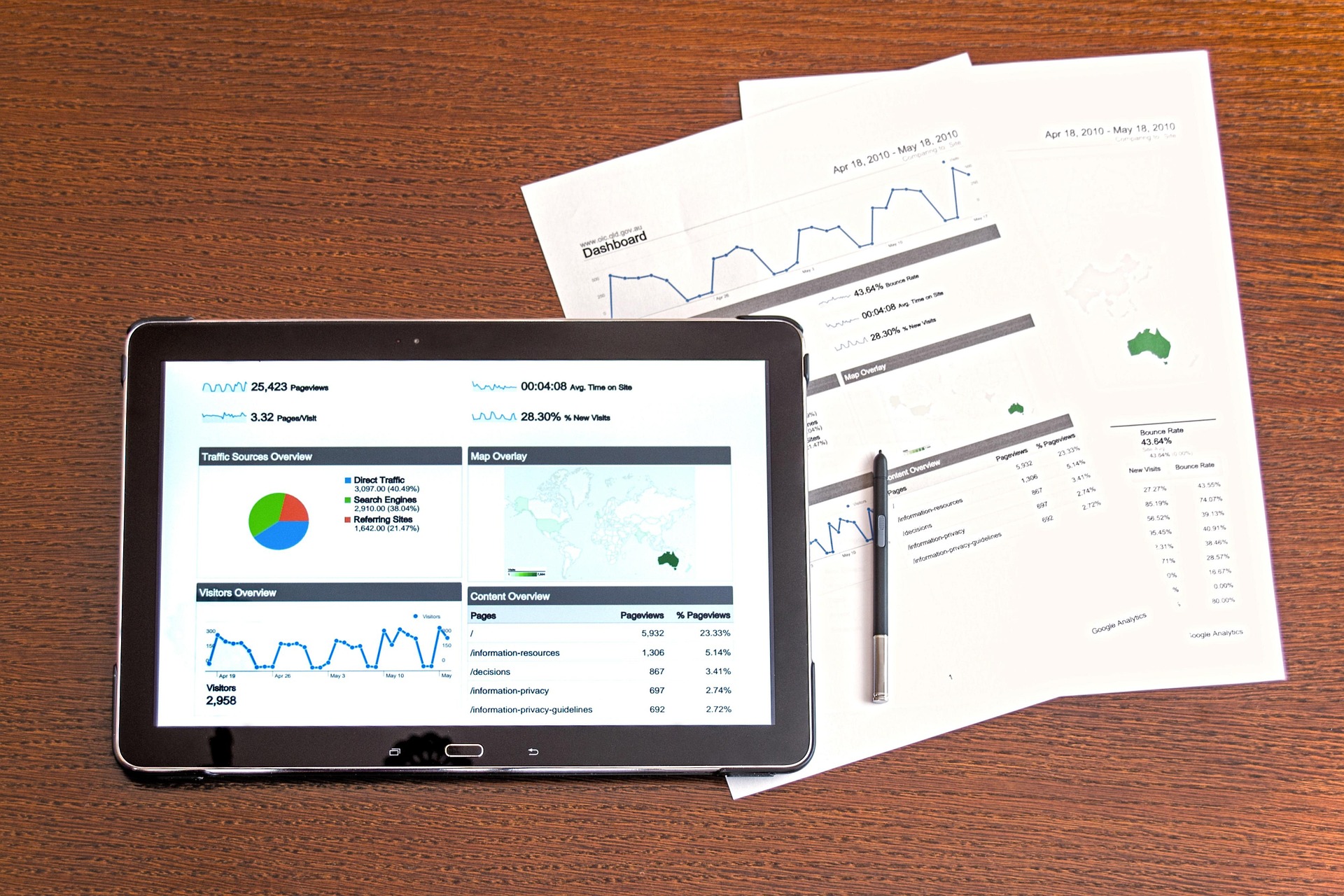
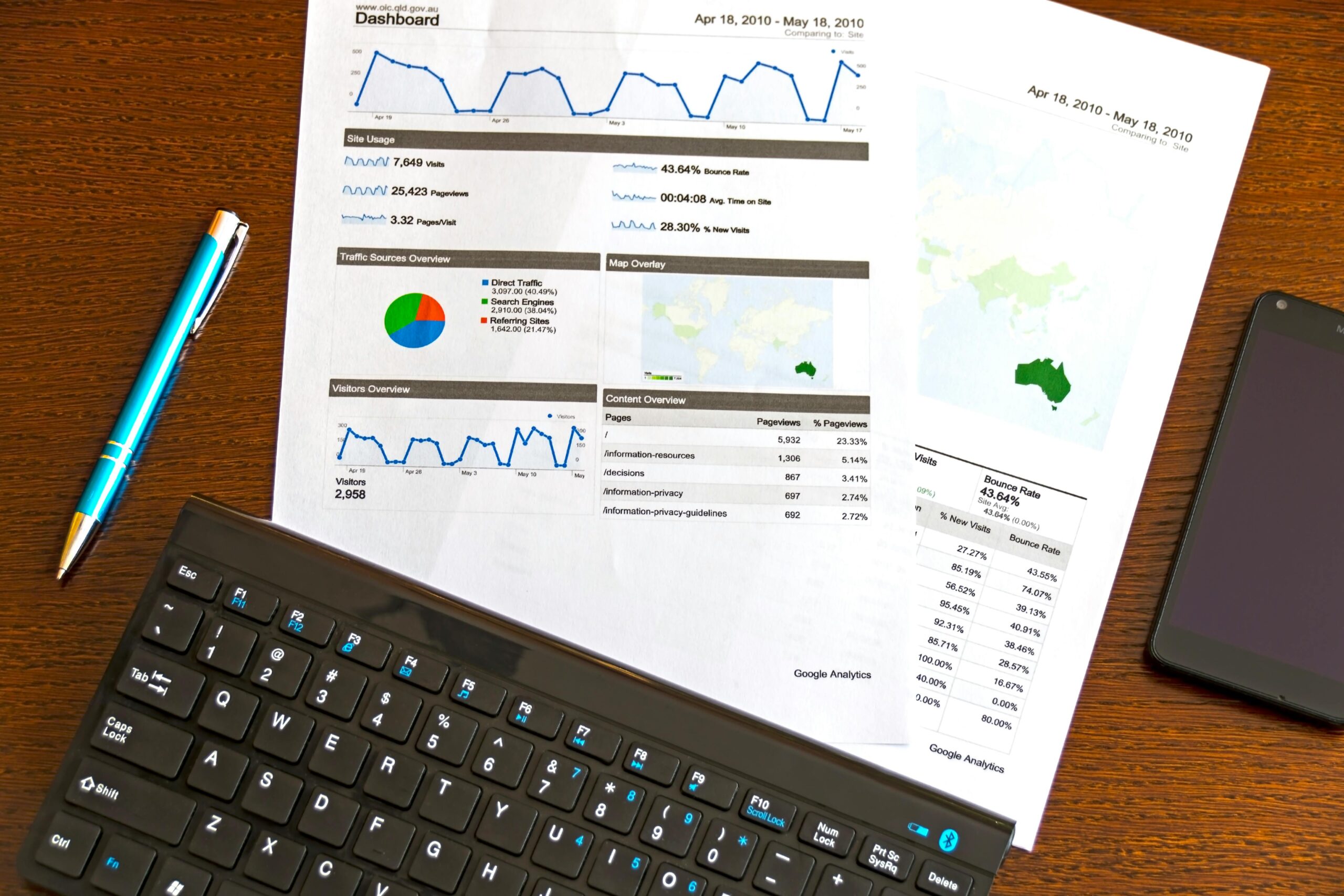
A well-built financial dashboard isn’t just a prettier spreadsheet. It’s a different relationship with your numbers.
Real-Time Visibility
When your dashboard is connected to your source systems—your ERP, your billing platform, your CRM—the numbers update automatically. You don’t wait for month-end. You check in when you need to.
One Version of the Truth
Everyone on your leadership team sees the same numbers. There’s no more “my spreadsheet shows X” versus “the finance version shows Y.” Alignment starts with shared data.
Metrics That Match How You Run the Business
A generic P&L tells you revenue, cost, and margin. A well-designed dashboard tells you the metrics that actually drive your business: revenue per employee, customer acquisition cost, gross margin by product line, cash conversion cycle, pipeline-to-quota coverage.
The best dashboards are built for the CEO, not for the accountant. They answer the questions you actually ask, not the questions that are easy to extract from an accounting system.
Faster Decisions
When your CFO or FP&A partner can pull up a dashboard in a board meeting and answer a question in real time, you look like the operator you are. When they have to say “let me get back to you,” you’ve already lost a beat.
What the Transition Actually Looks Like
The word “dashboard” triggers visions of expensive software implementations and months of IT work. For most middle market companies, the reality is much simpler.
The right approach depends on where you’re starting:
If your data is relatively clean and centralized, a well-configured tool like Power BI, Looker Studio, or a purpose-built FP&A platform can have you live with a meaningful dashboard in weeks, not months.
If your data is scattered across systems that don’t talk to each other, the first step is data connectivity—getting your key systems to feed a central model. This sounds technical, but for most middle market companies it’s a project of weeks, not a years-long ERP overhaul.
If you’re not sure where to start, that’s exactly what an experienced FP&A partner is for. The right partner has built this infrastructure before. They know what works, what to skip, and how to sequence the work so you’re getting value before the project is fully complete.
The Honest Trade-Off
Dashboards require upfront work that spreadsheets don’t. You have to define your metrics. You have to connect your data sources. You have to build the logic once, correctly, so that it runs reliably going forward.
That investment pays back quickly—usually within the first quarter. The hours your finance team stops spending on manual reporting cycles can be redirected toward analysis, forecasting, and the strategic work that actually moves the business forward.
The question isn’t whether to make the move. It’s how long you can afford to wait.
Skyline Analytics helps middle market companies replace fragile spreadsheet-based reporting with clean, connected financial dashboards. If you’re ready to upgrade your reporting infrastructure, let’s start with a conversation.